
Concrete Aftercare Guide
Concrete Curing and Homeowner Aftercare
Concrete keeps developing after finishing. The first days require patience, protection, and instructions matched to the specific project.
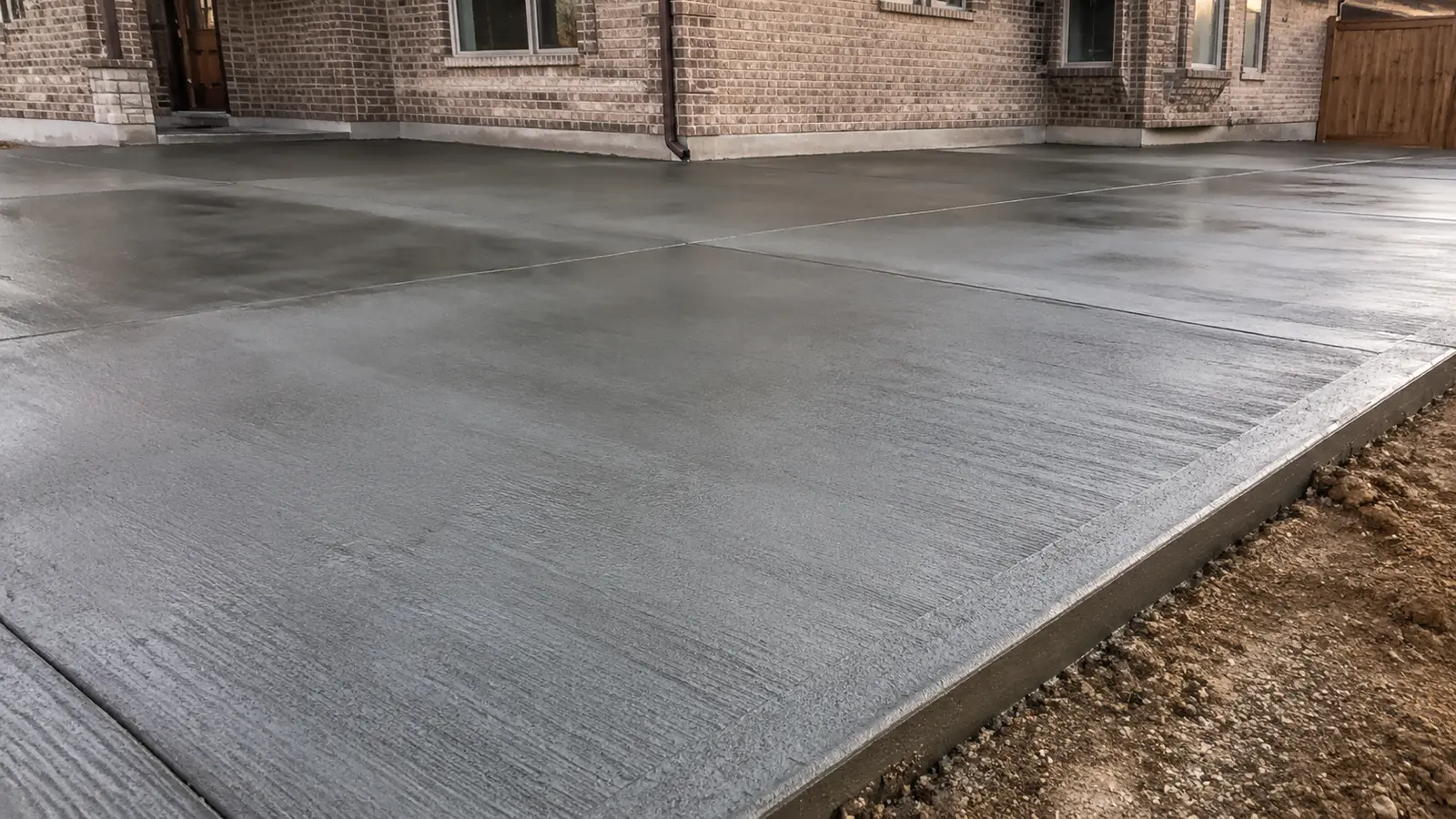
New concrete may look finished when the crew leaves, but it is still going through an important development process. Curing helps the material retain the conditions it needs to gain strength and durability. Weather, mixture, slab type, finish, curing method, and intended use all influence the instructions for a particular project.
The most important homeowner rule is simple: follow the written directions from the contractor who placed the concrete. General internet timelines cannot account for every project or weather condition.
Have a question about new OCC concrete?
Use the project-specific instructions you received and call before placing an uncertain load on the surface.
Call 972-302-5917Why curing matters
Concrete hardens through a chemical reaction involving cement and water. Losing moisture too quickly or exposing the slab to unsuitable conditions can interfere with that process. The contractor may use a curing compound, moisture-retaining covering, controlled watering, or another method suited to the job.
Do not remove coverings, wash away applied material, or change the curing process unless instructed. What looks like residue or moisture may be part of the planned method.
Keep traffic off until approved
Foot traffic, furniture, vehicles, trailers, dumpsters, delivery trucks, and construction equipment place very different demands on a slab. Do not assume that because the surface feels hard it is ready for every use. Get a clear opening schedule from the contractor and make sure family members, guests, tenants, and service providers know it.
Protect edges and corners
Fresh edges are vulnerable to impact. Keep vehicles, mower decks, heavy planters, furniture legs, and dragged objects away until the contractor says the concrete is ready. Avoid using the slab edge as a ramp or support for equipment.
Control water around the work
Follow instructions about sprinklers, downspouts, hoses, pools, and drainage. Do not create concentrated water flow across the new surface or allow erosion along unsupported edges. If rain occurs soon after placement, contact the contractor if you observe damage rather than attempting an unapproved repair.
Do not apply products too early
Cleaners, sealers, deicers, fertilizers, oils, paint, and other chemicals can affect appearance or performance. Ask what products are compatible and when they may be used. Decorative concrete may have additional care requirements.
Understand normal appearance changes
New concrete can change color as moisture conditions even out. Different areas may appear lighter or darker during curing. Avoid judging final color immediately or applying a product to force uniformity without professional guidance.
Keep project information
Save the estimate, scope, care instructions, photographs, and any product information provided. Take clear photos after completion and again if a concern develops. A timeline makes it easier to explain what changed and when.
Call before a small concern becomes a DIY experiment
If you notice unexpected damage, standing water, surface disturbance, or a changing crack, document it and contact the contractor. Avoid grinding, patching, sealing, pressure washing, or adding chemicals before the issue is evaluated. An unplanned fix can make diagnosis harder.
Homeowner aftercare checklist
- Receive and save the project-specific opening schedule.
- Keep people, pets, vehicles, and deliveries off as directed.
- Do not disturb the curing method.
- Protect edges from impact and erosion.
- Control sprinklers and concentrated runoff.
- Delay cleaners, sealers, and other products until approved.
- Photograph concerns and contact the contractor before attempting repairs.
Frequently Asked Questions
When can I walk or drive on new concrete?
Use the schedule provided for your specific project. Readiness depends on the concrete, weather, slab, curing plan, and load. Do not rely on a universal timeline.
Why does new concrete look uneven in color?
Moisture and curing conditions can create temporary color variation. Ask the contractor before applying cleaners or treatments.
Should I seal new concrete?
That depends on the surface, finish, product, and project goals. Ask the contractor whether sealing is recommended and when a compatible product may be applied.
Quality work deserves proper aftercare.
OCC provides project-specific guidance for the concrete we place.
Plan a Concrete Project